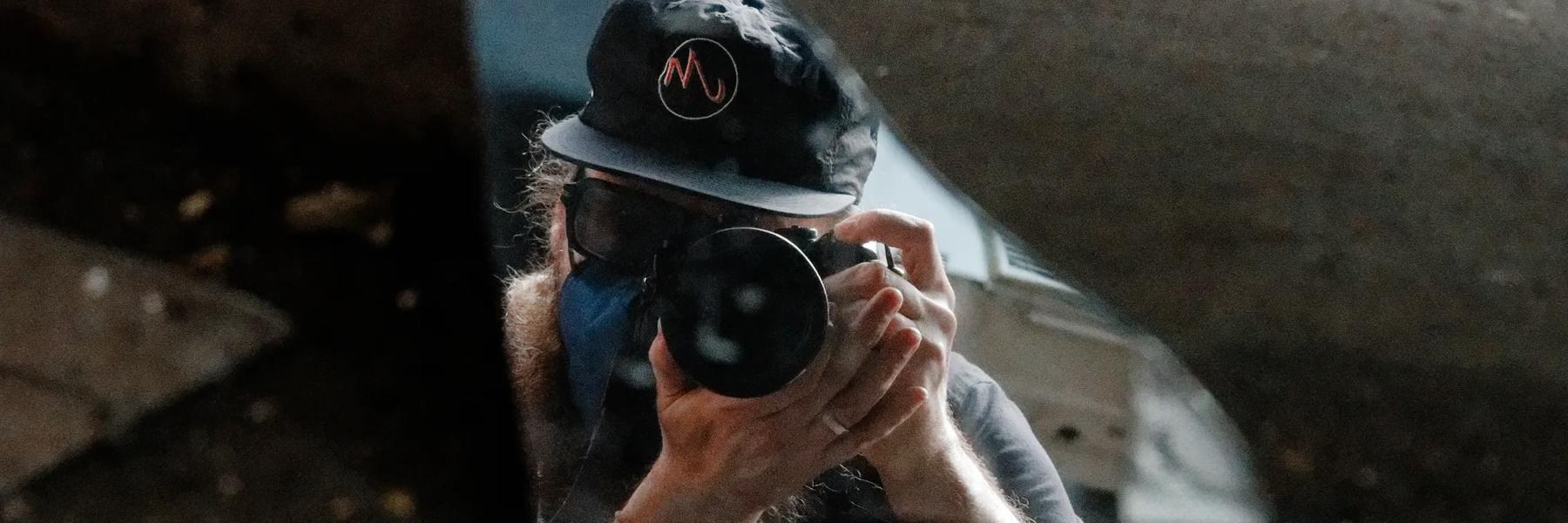
Appreciation for OM System
I've owned a lot of cameras (since I got back into photography around 2016) from almost every major brand: Fujifilm, Ricoh, Nikon, Canon, Lumix, Olympus, OM System. I've never owned a Sony, but once rented an A7C, along with the fantastic 20mm 1.8. While I enjoyed the rental experience, I didn't love Sony enough to buy into the system. Almost all of the cameras and lenses I've ever purchased have been second-hand. It rarely makes sense to purchase camera bodies new. I mostly feel the same way about purchasing lenses.
It took years of gear acquisition syndrome taking a firm hold on me to figure out that gear & brands aren't all that different. Every system has its tradeoffs. As a generalization: full-frame systems have the best image quality but also the largest, heaviest, and most expensive lenses. APS-C strikes a balance between size (body and lenses) and image quality. It can be ideal for all types of photography. Micro Four-Thirds has similar image quality to APS-C, while having smaller bodies, better IBIS, and lighter, smaller lenses. Many APS-C cameras are now as large and heavy as some full-frame cameras. And most camera systems have serious tradeoffs when it comes to weather sealing.
- Canon only prioritize weather-sealing most of their (newer) L-series lenses.
- Nikon is mixed: many S-series lenses are weather-sealed, along with many non-S Z-mount and F-mount lenses.
- Fujifilm weather-seals the majority of their lenses (any with the WR lens lettering, but not all bodies).
- Panasonic's Lumix system offers weather-sealed lenses for their S-series and G-series lenses.
- I wish Pentax would give us a weather-sealed Ricoh GR, but I'm not sure it's technically possible.
- In short: OM System are industry-leading when it comes to prioritizing weather sealing. I will say that for some inexplicable reason, when OM System re-branded the M.Zuiko Digital ED 9-18mm ƒ4.0-5.6 II they did not weather-seal it, but they did raise the price by $200. Why? They weather-sealed the mark II versions of the 17mm ƒ1.8 & 25mm ƒ1.8, so I don't get it, but I also don't manufacture lenses. While OM System prioritizes weather-sealing, and to a higher IP/IPX (IP53) standard than other camera brands (to my knowledge), not all their lenses are weather-sealed, yet. Perfection does not exist, unfortunately.
Today, I shoot with:
- a full frame camera (Nikon D700)
- an APSC camera (Fujifilm X-T1)
- Micro Four-Thirds cameras: (OM System OM-1s x2)
- Camp Snap cameras: Camp Snap 2 & 110D for fun
The Nikon and Fujifilm are my never-sell (again!) cameras. I owned them for years, sold them, and then regretted their absence. I decided to rebuy them and never sell them again. The D700 is a brick, rather slow, but wow is it a special camera. I love the shutter sound and the files have an unplaceable quality. The same file sentiment can be said for Fujifilm's X-T1. The original X-T camera has a certain type of magic. It also happens to be the camera that re-ignited my love of photography in the mid-2000s. I was a Fujifilm only shooter for many years, but now only own the X-T1 the WR 27mm ƒ2.8 and the WR 35mm ƒ2.
Camp Snap cameras are great point-and-shoots that are perfect for daily carry or as an extra vacation camera. The image quality isn't great, but they are fun to use and I appreciate having screen-free cameras
This brings me to the topic of this post: OM System. I've thought about writing a post like this for a long time and here we go.
Why M43?
The latest M43rds cameras are nothing short of spectacular. While I prefer OM System to Lumix, I have so much love for what Panasonic has been doing with their Lumix line. I do wish Lumix would have made the L10 an interchangeable lens camera. Fingers crossed it's coming.
OM System happen to prioritize what I need in a serious nature / travel / wildlife setup:
- light weight
- exceptional in-body stabilization
- weather sealing
- high resolution mode
- a comparatively small, light weight lens ecosystem
- good low-light performance
It ticks all the boxes. For low light situations, the noise levels of the latest sensors is remarkable. For heavy noise situations, the noise reduction of DxO's PhotoLab makes a strong argument for not needing full frame (for specific situations) for low light performance. I am continually impressed by the noise levels on my OM1.
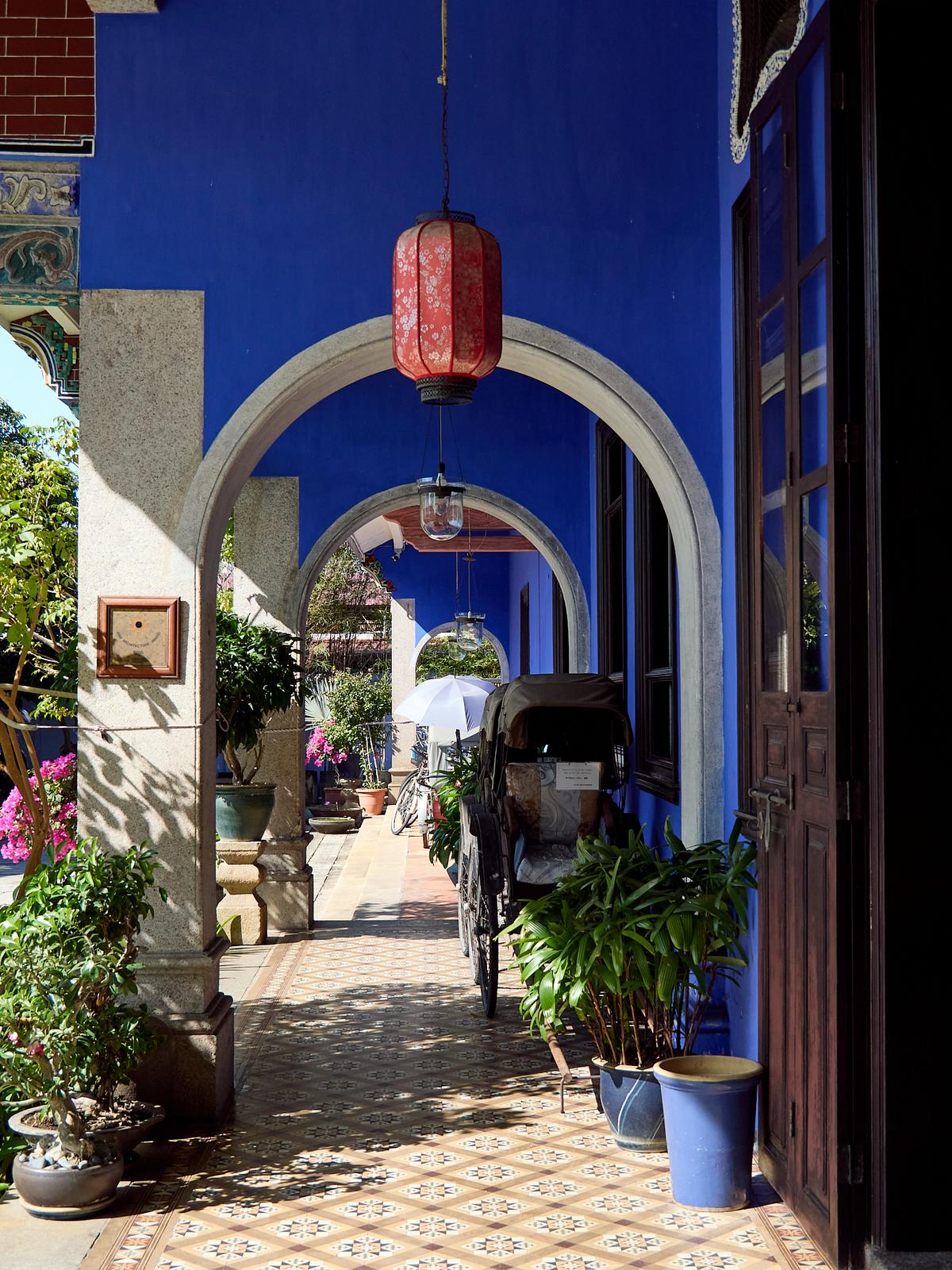
Lenses
When it comes to lenses, you can't get much smaller than the M43rds ecosystem. Combine the small size with convenient focal lengths, and you can pack 9mm - 400mm, or 18mm to 800mm in full-frame equivalent focal lengths.
For travel, I tend to pack 3-4 lenses.
- fast prime: 17mm ƒ1.8 II
- do-all zoom lens: 12-100mm ƒ4.0 IS PRO
- nature/wildlife zoom lens: 100-400mm ƒ5.0-6.3 IS
- mid-zoom for closer wildlife: 40-150mm ƒ2.8 PRO
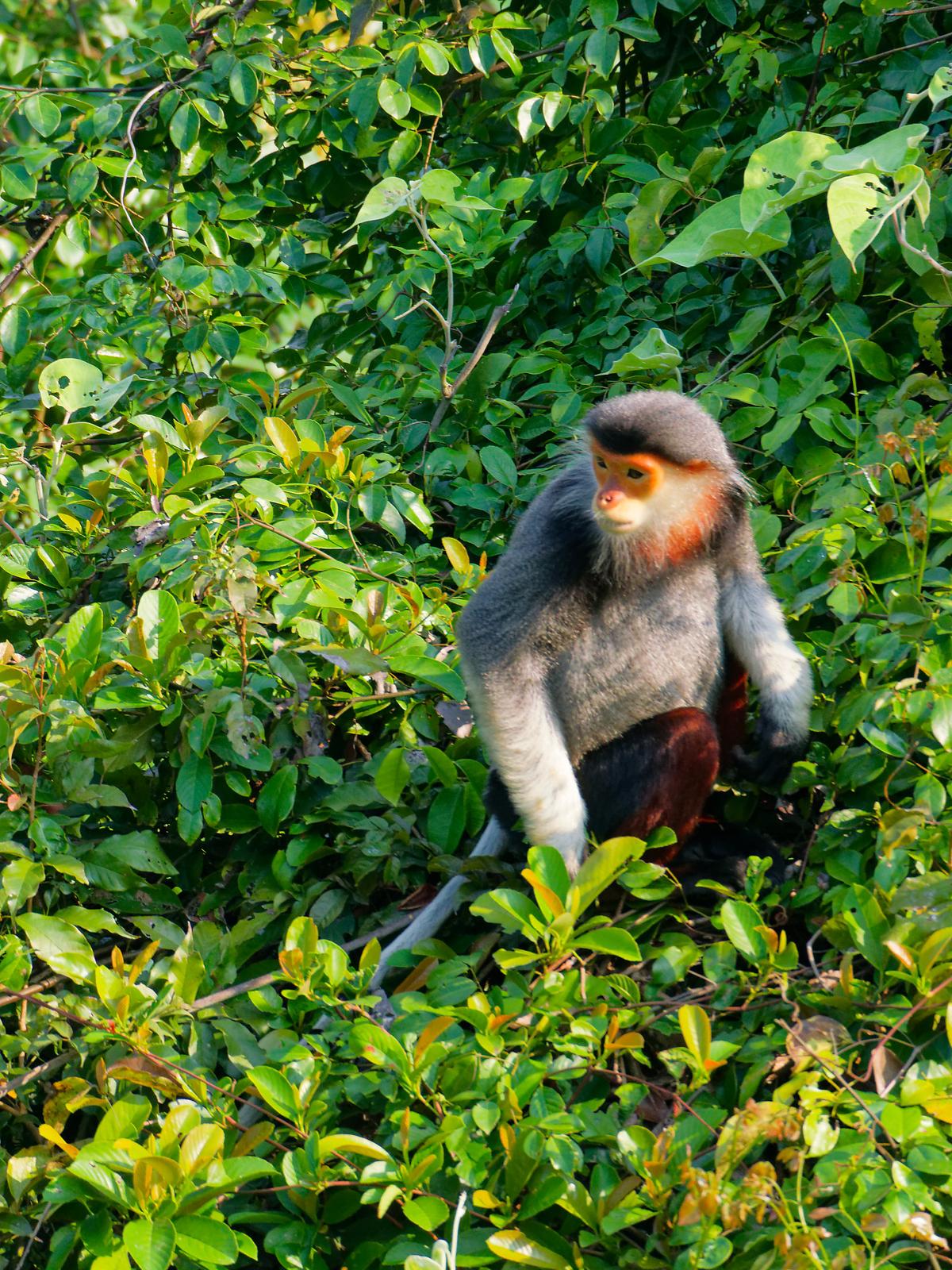
Weather Sealing
It is invaluable to have both weather-sealed lenses and weather-sealed camera bodies while traveling. You never know when it might rain and if you travel to dusty/humid climates, having a weather-sealed kit provides some peace of mind.
Years ago, I brought a Lumix GX85 (my first micro four-thirds camera) to Massachusetts. While spending a day in Salem, the rain was constant. I foolishly thought that the camera having a bit of rain on it wasn't a big deal. Big mistake. After turning it on (which, why did I think that was a good idea? 🤦♂️), it died. I tried to throughly dry it, but I was too late.
Ever since that day, I prioritize camera systems with weather-sealing – especially for travel. I also pack a collapsible dry bag and silica packets, just in case my gear gets wet and I want to make sure it dries out.
Conclusion
When Olympus was sold in June, 2020 to OM Digital Solutions (a subsidiary of Japan Industrial Partners), I had my doubts about OM System and the direction they would take the new company. Today, OM System (OM Digital Solutions) is owned by its management team led by CEO Shigemi Sugimoto, who acquired control from private equity firm Japan Industrial Partners (JIP) in April 2026. It's so encouraging (and refreshing!) to actually get private equity out of something for a change.
After many years of using and loving OM System's products, I could not be happier with their products. I plan to use OM System cameras for all nature / travel / wildlife photography for the foreseeable future. The ecosystem simply makes sense for the broad range of photography in which I dabble. They are my bosom friend.
I no longer act on my feelings of gear acquisition syndrome (but its still there 🤣).